
WELCOME BONUS 300%
UP TO €2000 + 100
FREE SPINS
UP TO €2000 + 100
FREE SPINS
Home → Games
Casino games at Divas
Video Poker 9/6: What the Two Numbers Mean
The Video Poker Jacks or Better 9/6 variant offers a theoretical return of 99.54% when played with optimal strategy on maximum coins. This specific Full Pay table pays nine coins for a Full House and six coins for a Flush, creating a house edge of only 0.46%. Players must wager five coins to unlock the top Royal Flush bonus of 4,000 coins instead of the standard 800. The high volatility requires patience, as the standard deviation stands at 4.42 during extended play sessions.
Selecting this 9/6 paytable is critical because lower variants like 8/5 reduce the RTP significantly below acceptable standards for serious players. The 9/6 structure ensures that the long-run average return remains stable over hundreds of thousands of spins without session guarantees. Every decision regarding which cards to hold directly impacts the final payout percentage and the frequency of winning combinations. Ignoring basic strategy principles will immediately increase the house advantage and deplete the bankroll faster than intended.
Why the Double Zero Almost Doubles the House Edge
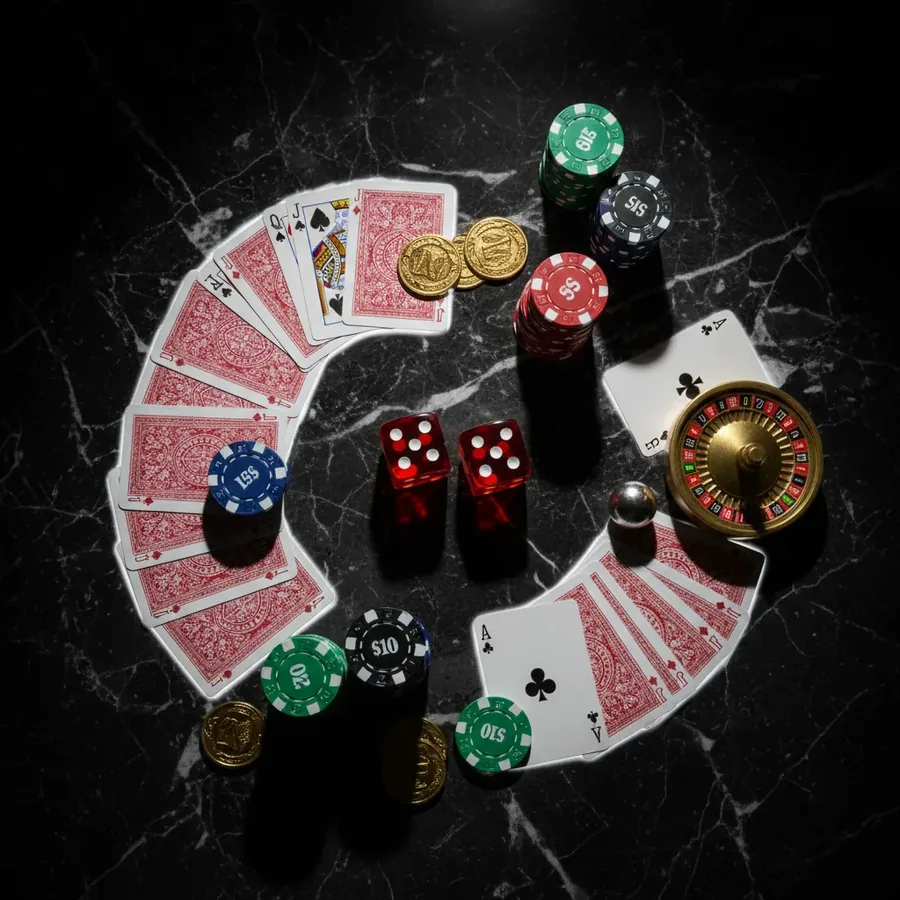
The American Roulette wheel features thirty-eight pockets including both single zero and double zero, resulting in a house edge of 7.89%. This figure is nearly double the edge found on European wheels due to the additional losing pocket that affects every outside bet. The Five Number Bet covering 0, 00, 1, 2, and 3 carries an even worse edge of 7.89% despite paying 6:1. No equivalent trap exists on the European layout, making the American version mathematically inferior for consistent winning strategies.
Game Shows: sectors, multipliers, and bet ranges
Roulette Wheel with 37 vs 38 Pockets
A standard European roulette wheel contains thirty-seven pockets numbered zero through thirty-six, offering a baseline house edge of approximately 2.73%. Adding a double zero creates thirty-eight pockets and raises the house edge to 7.89% for all standard wagers except the special five-number bet. This structural difference fundamentally alters the probability distribution and reduces the player's expected return on every single spin. The extra pocket eliminates any possibility of matching the European mathematical advantage available on identical outside bets.
Multihand Blackjack with Up to 5 Hands
Playing multihand blackjack allows splitting up to four hands simultaneously, increasing the total action and potential variance per round significantly. Resplitting aces improves the return by 0.08 percentage points, while doubling after split adds another 0.14 percentage points to the player's advantage. These rule modifications are essential for maintaining a low house edge when managing multiple hands against the dealer's upcard. Each hand operates independently, requiring separate strategic decisions based on the specific card combinations dealt to each position.
Game categories at a glance
| Category | Examples | Stakes From | Highlight |
|---|---|---|---|
| Slots | Cygnus 4, Big Bad Wolf Megaways, Chaos Crew | 0,10 EUR | thousands of titles |
| Table games | Roulette, Blackjack, Baccarat | 0,50 EUR | classic rules |
| Live casino | Mega Wheel, Blaze Roulette | 0,20 EUR | real dealers |
| Jackpot games | Mega Moolah, Divine Fortune, Age of the Gods | 0,20 EUR | progressive pools |
| Instant games | Aviator, Plinko, Mines | 0,10 EUR | fast rounds |
| Video poker | Jacks or Better, Deuces Wild | 0,25 EUR | strategy based |
Soft 17: the Ace counts 11 or 1
The dealer standing on Soft 17 reduces the house edge by 0.22 percentage points compared to hitting this hand in a six-deck game. This specific rule configuration allows players to maintain a lower mathematical disadvantage during live dealer sessions, directly improving their long-term expected return. Consequently, tables offering S17 provide better value than those requiring the dealer to hit, making this distinction critical for strategic play.
Resplitting Aces improves the player's position by 0.08 percentage points, while doubling after split adds another 0.14 percentage points of advantage. These combined rule modifications significantly shift the RTP upward, creating a more favorable environment for skilled participants at the virtual table. Players must verify these conditions before joining, as standard rules often lack these beneficial adjustments found in liberal variants.
Late surrender offers a further reduction of 0.08 percentage points in the house edge by allowing players to forfeit half their bet after checking for dealer blackjack. This option effectively lowers the overall cost of playing, particularly when holding weak hands against strong dealer up-cards. Utilizing late surrender correctly is essential for minimizing losses and preserving bankroll stability throughout extended gaming sessions.
Baccarat commission: 5 percent on each Banker win
The five percent commission on Banker wins results in an effective payout of 0.95 to one, maintaining a house edge of just 1.06 percent. This fee structure compensates for the statistical advantage Banker bets hold due to the third-card drawing rules inherent in the game mechanics. Despite the deduction, Banker remains the most statistically sound wager available on the live dealer table compared to other options.
Comparing Banker to Player reveals a slight difference in theoretical return, with Player carrying a house edge of 1.24 percent without any commissions. The absence of fees on Player bets makes it attractive, yet the 0.18 percentage point gap still favors Banker over the long run. Savvy players recognize that the commission is a small price to pay for the superior probability associated with the banker position.
The Tie bet pays out at 9 to 1 but carries a substantial house edge of 4.84 percent, making it a poor choice for consistent profit. This high variance outcome distracts from the steady returns offered by Banker and Player wagers, which feature standard deviations around 0.93 and 0.95 respectively. Avoiding the Tie bet is crucial for anyone seeking to minimize risk and maximize expected value during live baccarat gameplay.
Connection Lost in Table Game: Round Continues Automatically
Roulette American features a Five Number Bet covering zero, double zero, one, two, and three, which carries a house edge of 7.89 percent. This specific wager is uniquely dangerous on the American wheel, representing the worst odds available in the entire casino floor for standard table games. Players should strictly avoid this trap bet, as its edge far exceeds the standard 5.26 percent found on all other American roulette positions.
Blackjack Insurance acts as a side bet paying 2 to 1 when the dealer shows an ace, yet it holds a house edge of 7.47 percent in multi-deck games. Basic strategy dictates always declining this offer unless counting cards reveals a true count of positive three or higher. Relying on insurance incorrectly drains bankrolls rapidly, as the negative expected value outweighs any perceived protection against dealer blackjacks.
Sic Bo Small and Big bets cover sums of four through ten and eleven through seventeen, offering payouts of 1 to 1 with a house edge of 2.78 percent. These wagers are considered the best options in Sic Bo, provided triplets result in immediate losses for both sides. Understanding these limits helps players manage volatility effectively, ensuring they select the most mathematically favorable outcomes within the game constraints.
Straight, Split, and Corner in direct comparison
Casino Hold'em Ante plus Call yields a house edge of 2.16 percent on the ante, translating to a risk element of only 0.82 percent per full cycle. Players place an initial ante, then decide to fold or call with twice the ante amount after seeing the flop cards. This structure allows for strategic decision-making that significantly impacts the final outcome, distinguishing it from pure chance games.
Video Poker Jacks or Better 9/6 full pay offers an impressive return to player rate of 99.54 percent when optimal strategy is employed consistently. The notation refers to nine coins for a full house and six for a flush, requiring maximum five-coin bets for the royal flush bonus of 4000. Mastering this variant provides some of the highest expected returns available in digital gambling environments.
Blackjack paying 6 to 5 instead of 3 to 2 increases the house edge by exactly 1.39 percentage points, drastically reducing player profitability. On a ten euro bet, the payout drops from fifteen euros to twelve euros, eroding potential winnings substantially over time. Identifying tables with 3 to 2 payouts is essential for maintaining a competitive edge and protecting long-term bankroll sustainability.
How Much Does One Mistake Cost in 100 Hands?
Playing single-deck blackjack with classic rules and 3 to 2 payouts delivers a house edge of merely 0.15 percent, offering exceptional value for disciplined players. This low margin stems from reduced deck penetration, which lowers the casino advantage by approximately 0.48 percentage points compared to eight-deck shoes. Consistent adherence to basic strategy ensures players capitalize on this favorable mathematical environment effectively.
Liberal Vegas Strip rules combine soft 17, doubling after split, resplitting aces, and late surrender to achieve a house edge of 0.28 percent. This comprehensive rule set represents the most generous configuration available, significantly enhancing player expectations compared to standard variations. Recognizing these specific conditions allows gamblers to identify the most lucrative tables and optimize their strategic approach accordingly.
Table games contribute only 10 percent toward wagering requirements for bonuses, whereas slots contribute fully at 100 percent, limiting bonus utility on live dealer tables. With a 300 percent welcome bonus up to two thousand euros, meeting turnover targets via blackjack requires significantly higher volume than slot play. Understanding this contribution rate is vital for planning efficient bonus conversion strategies without unnecessary financial exposure.
Dozen 2:1 Hits 12 of 37 Numbers
The European Roulette wheel contains exactly 37 numbered pockets, including a single zero that creates the house edge. Betting on any dozen covers twelve specific numbers and pays out at odds of 2:1 when one of those selected pockets lands. This coverage provides a nearly 32.43 percent chance of winning on every single spin of the wheel. The payout structure remains consistent regardless of which specific dozen is chosen by the player.
American Roulette wheels introduce an additional double zero pocket, increasing the total number of pockets to 38 for every game round. This extra pocket reduces the probability of hitting a dozen bet from 32.43 percent down to approximately 32.43 percent in European variants. The presence of the double zero directly increases the house advantage for all outside bets placed on the table layout. Players must account for this mathematical difference when comparing odds between different roulette variants available online.
Plein Pays 35:1, Cheval Pays 17:1
A straight-up wager on a single number in European Roulette yields a payout ratio of 35:1 if the ball lands on that exact pocket. This high reward comes with a low probability of success, as only one of the thirty-seven possible outcomes satisfies the condition. The house maintains a mathematical edge of 2.78 percent across all standard betting options on the European wheel layout. Players receive thirty-five units plus their original stake back upon a successful straight-up prediction.
Before sitting down: check table bet limits
Every live dealer table enforces strict minimum and maximum wagering limits that define the accessible betting range for all participants. These limits protect both the casino operations and the players from excessive financial exposure during high-variance gameplay sessions. Checking these boundaries before placing any chip ensures compliance with the specific rules of the chosen table variant. Minimum bets often start at one euro while maximums can reach thousands depending on the specific game provider.
Variance at the Table: 1:1 vs. 35:1
Even-money bets like red/black carry a standard deviation of approximately 0.95 per unit wagered on each roulette spin outcome. This lower volatility results in more predictable bankroll fluctuations compared to high-risk straight-up bets offering thirty-five-to-one payouts. The statistical variance for dozen bets sits slightly higher than even-money options due to covering fewer winning combinations. Understanding these differences helps players choose games matching their preferred risk profile and session duration goals.
Punto Banco: 5 Percent Commission on Banker Wins
Baccarat Banker bets carry a house edge of 1.06 percent when a five percent commission is applied to all winning outcomes. This fee reduces the effective payout from one-to-one to 0.95-to-one for every successful Banker wager placed by the player. The commission structure compensates for the slight mathematical advantage inherent in the Banker position due to drawing rules. Despite the fee, Banker remains the statistically safest option compared to Player or Tie bets available at the table.
Contact
Live - online chat
Banking









Providers












Divas Casino 2026